Overview
Hell Let Loose: Vietnam is built around 50v50 squad warfare where every system pushes players back toward teamwork. Infantry, recon, armour, helicopter and mortar units all have different jobs, but none of them works well in isolation. The match is shaped by spawn networks, commander support, squad communication, river movement, tunnel pressure and objective timing.
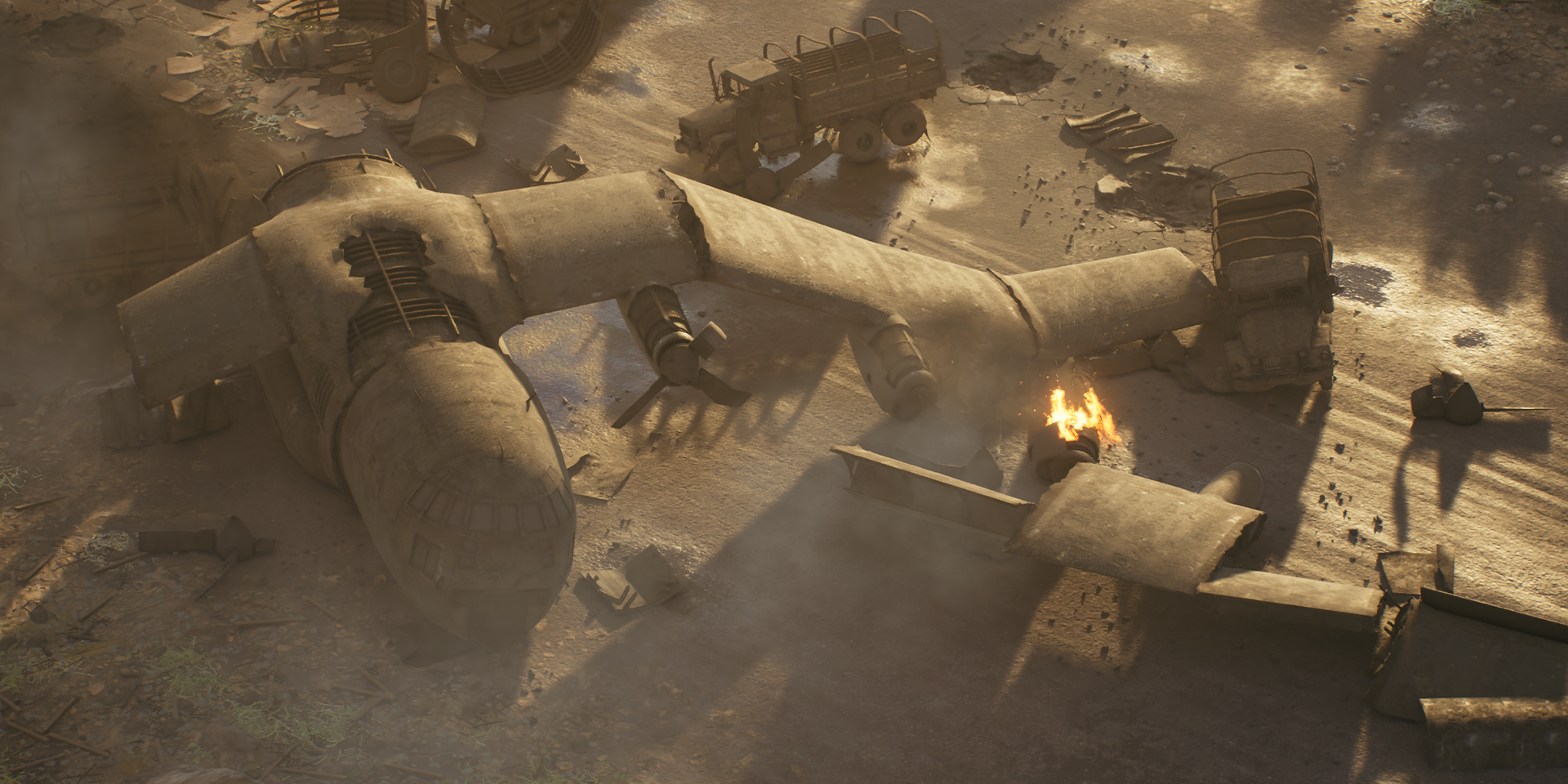
Core Gameplay Loop
The basic loop is simple: spawn with your squad, read the active objective, move through cover, build or protect spawn points, and coordinate pressure with nearby units. A single rifleman can win a small duel, but a squad with a good outpost, clear comms and useful marks can decide the sector. This is why map awareness is as important as aim.
The Vietnam setting adds more ways for the frontline to bend. Helicopters can move people and supplies, boats can reshape river approaches, and tunnels can open unexpected NVA pressure. Every battlefield asks the same question: where can your squad arrive faster and safer than the enemy?
Roles and Unit Identity
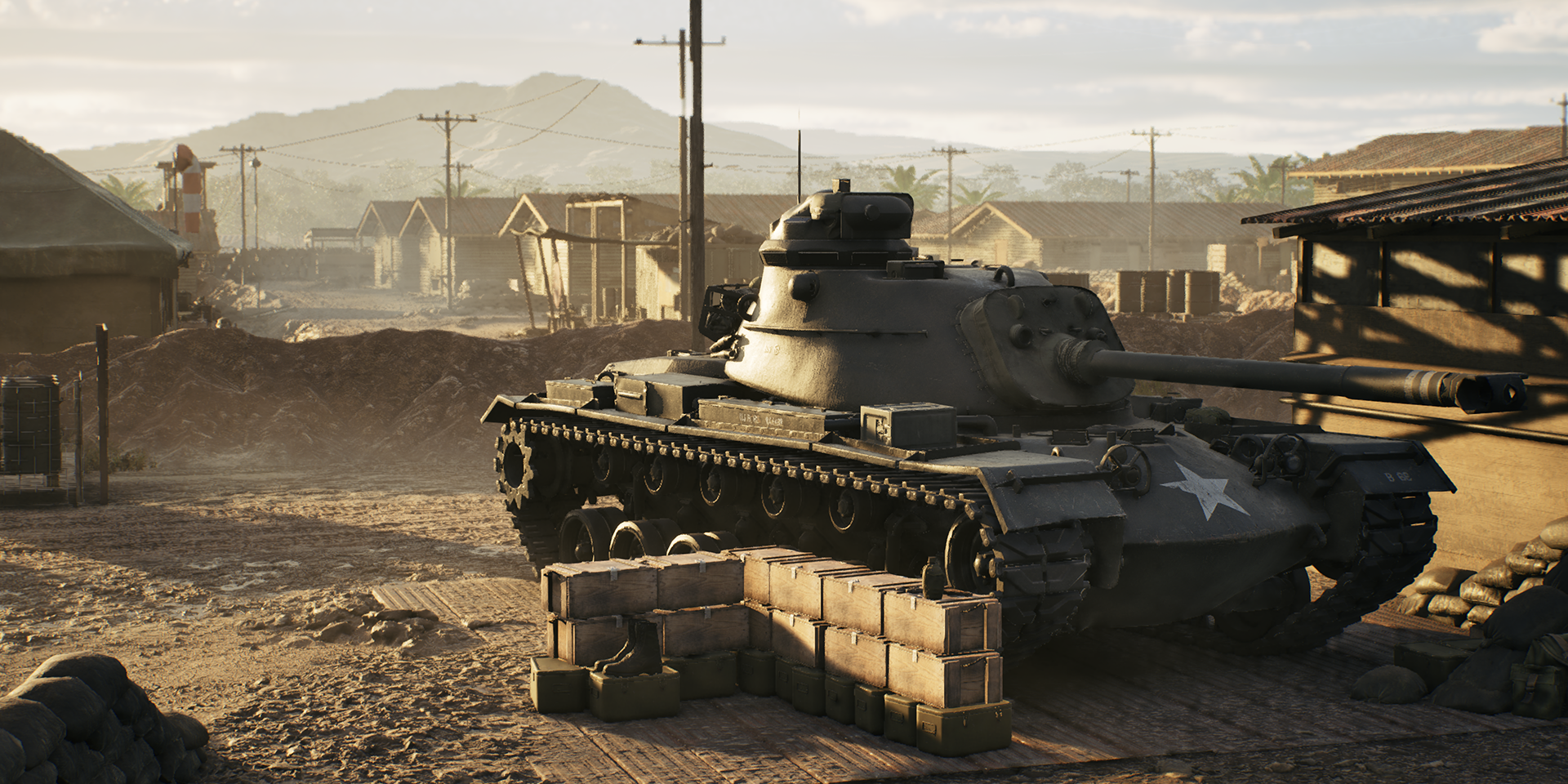
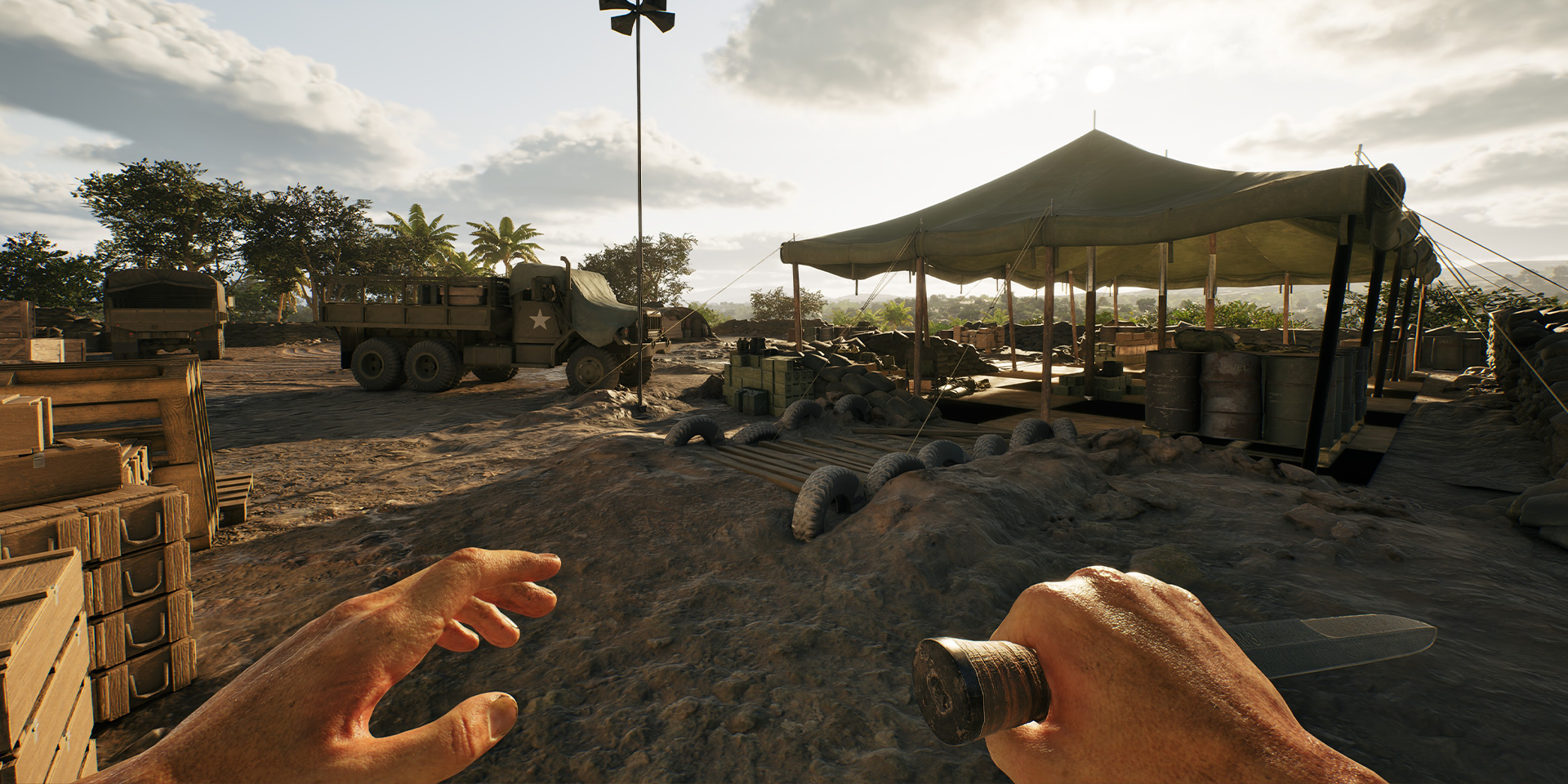
Command and squad leadership roles set the direction of the match. Infantry roles create the main pressure around active objectives. Recon disrupts and spots, armour controls exposed lanes, helicopter units help US mobility, and mortar squads add indirect fire when callouts are clear.
New players should avoid high-responsibility roles until they can read the map. Start with infantry, learn where squads need spawns and cover, then move into leader or specialist roles once the objective flow makes sense.
Helicopters, Boats and Tunnels
Helicopters give US forces a fast way to move troops, pressure a flank and support supply play. Patrol boats make rivers part of the frontline rather than background scenery. NVA tunnels answer that mobility by letting squads create surprise movement and reinforce from unexpected angles.
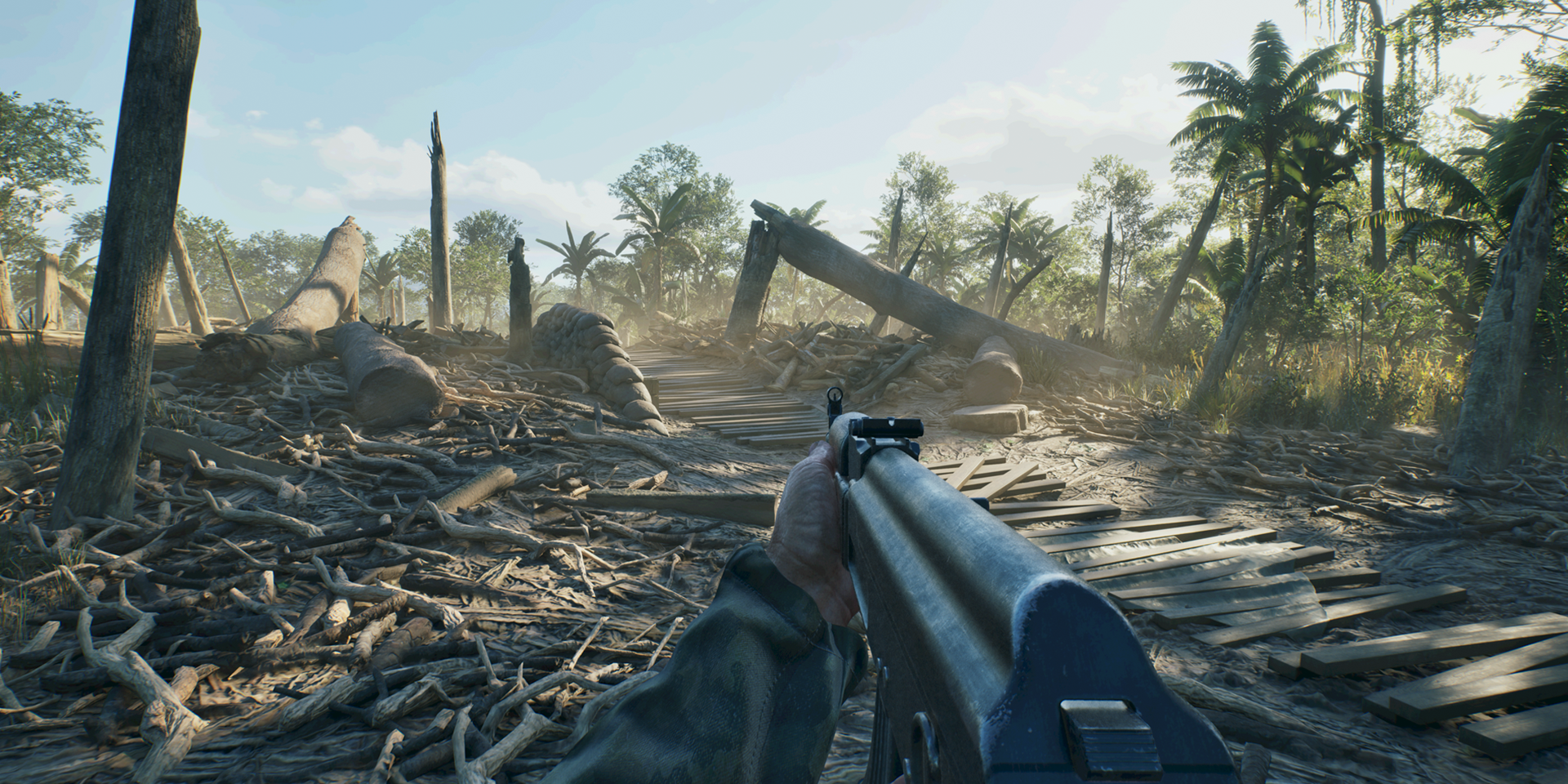
The key is counterplay. Helicopters can be powerful, but they are visible and vulnerable when the enemy watches airspace. Tunnels can be powerful, but they need protection and useful exit placement. Boats can create fast pressure, but they also announce routes if the enemy controls the banks.
Movement and Battlefield Feel
Hell Let Loose: Vietnam adds swimming, climbing, faster crawling, and dragging wounded teammates. These movement changes matter because Vietnam maps include rivers, cliffs, dense vegetation, bases, airfields and ports. Movement is not only about speed; it is about choosing routes that keep the squad alive long enough to affect the point.
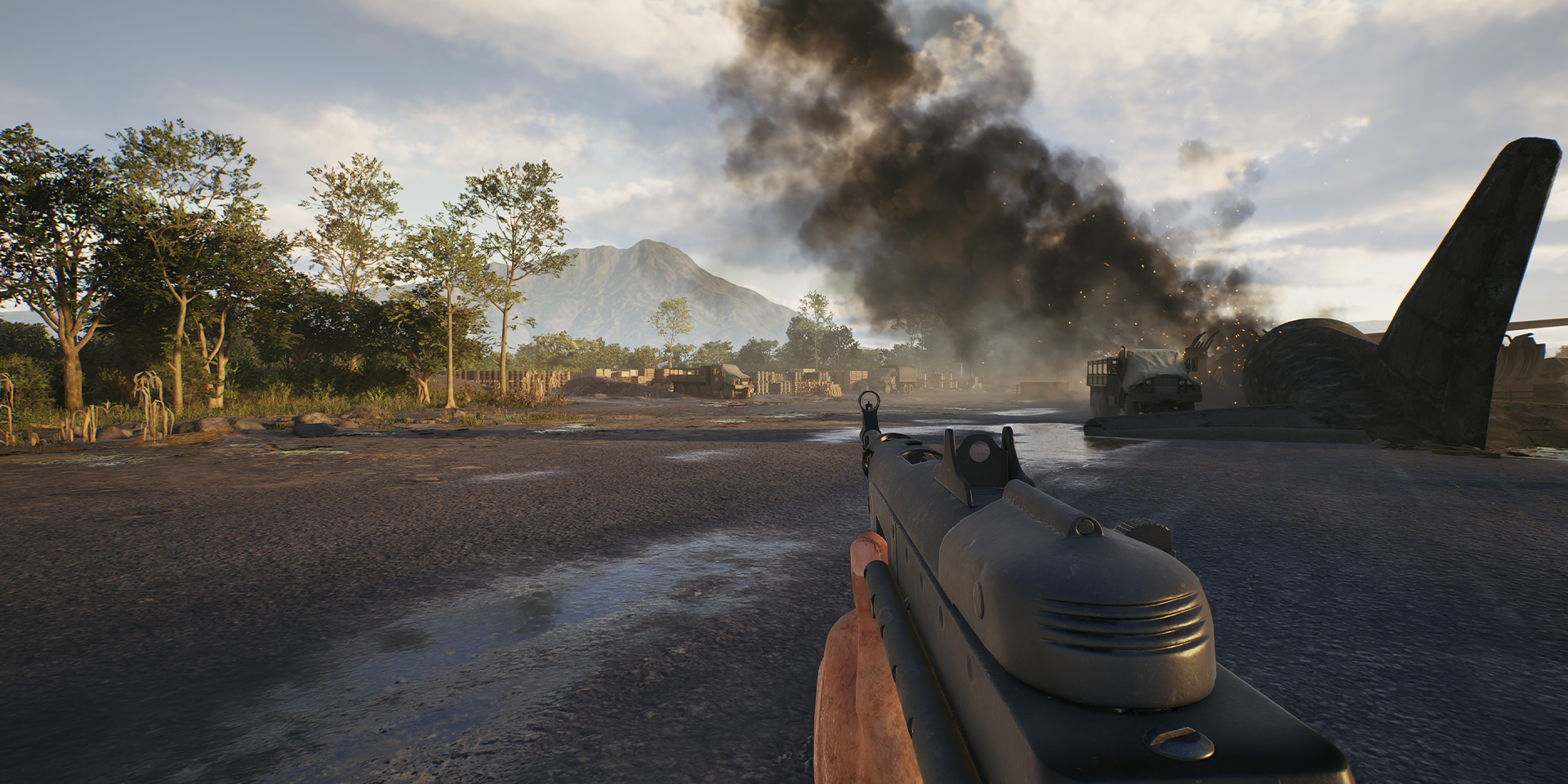
Crossing open ground alone is still risky. Swimming, crawling and climbing should support squad movement, not replace it. If a route looks clever but leaves your squad without spawns, cover or communication, it is usually a bad route.
What to Read Next
Use this page as the visual overview, then move into a specific guide. Read Classes for role choice, Maps for terrain, Modes for objective rules, and Join Squad for the social and unit flow. The fastest path for a new player is still simple: learn the match flow first, then specialize.